
Empowering Choices: A Youth Leader's Take on the First World Contraception Day Celebration in the Philippines (2018)

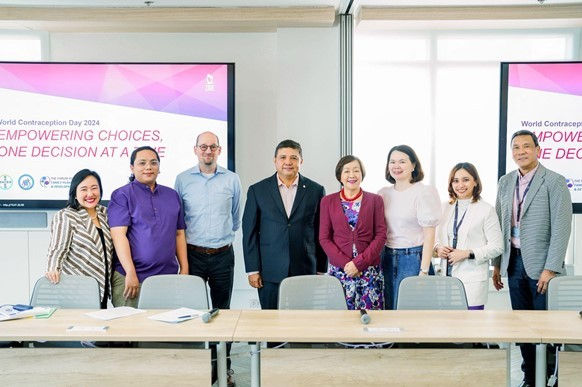
September 27, 2018 - Quezon City As a youth leader and advocate for sexual and reproductive health and rights, witnessing the Philippines’ first celebration of World Contraception Day in 2018 was a milestone I’ll never forget. Held on September 26 at the University of the Philippines Asian Center in Diliman, Quezon City, the event brought together experts, advocates, policymakers, and fellow young leaders to open up a much-needed dialogue on contraception, reproductive health, and the power of informed choices.

For many of us in the youth sector, this celebration was not just symbolic—it was a statement. It signaled our collective push to break the silence surrounding contraception, challenge misconceptions, and demand a future where reproductive health is a right, not a privilege. The theme for the day was clear: every individual, especially young people, should have the knowledge and means to make informed decisions about their bodies and their futures.
One of the most powerful takeaways from the forum was the emphasis on male responsibility in family planning. Often, the conversation around contraception is seen as a woman’s issue. But during the event, it was made clear that true reproductive justice requires the active participation of all genders. Amina Evangelista Swanepoel of Roots of Health shared heartbreaking stories of women who were pressured to remove their contraceptive implants because of their partners' objections. It reminded me that while access to contraception is essential, shifting mindsets—especially among men—is just as critical.
Another pressing issue discussed was adolescent pregnancy, a crisis that continues to affect thousands of Filipino youth. Dr. Angela Aguilar of the Philippine Society for Reproductive Medicine emphasized the health risks of unintended pregnancies and called for better access to contraception and accurate, age-appropriate information. As someone who works closely with young people, I’ve seen how the lack of access to reproductive health services and education can limit a young person’s dreams. This is why events like WCD are so important, they give us the platform to advocate for solutions grounded in evidence and compassion.
The call for comprehensive sexuality education (CSE) echoed loudly in the forum. While the Department of Education had already issued guidelines for integrating CSE in schools, the reality on the ground remains patchy at best. Many students still lack access to honest and inclusive information about their bodies, consent, relationships, and reproductive health. As young advocates, we are pushing for CSE that goes beyond biology to teach values of respect, equality, and informed choice.

This historic event was made possible through the collaboration of various organizations, including the Commission on Population and Development (POPCOM), Bayer Philippines, Roots of Health, and several local governments and NGOs. Together, we shared a common goal: to empower people, especially the youth, to take control of their reproductive lives.
Looking back, the first World Contraception Day in the Philippines was more than just a commemoration—it was the beginning of a movement. It validated the struggles and hopes of many young people across the country who believe that we deserve better access to reproductive health services and the right to decide freely and responsibly on matters concerning our bodies. As youth leaders, we carry this momentum forward, continuing to speak out, educate, and fight for a future where every pregnancy is wanted, and every choice is respected.


Comments